April to September 2026.
For about five months my clone's rules were never loaded, because the tool does not look at the root of a drive. I only noticed when it stopped remembering earlier work; the rules now load from a place it always reads.
Ping-02 lets me test a design move against my own past judgement while I work, so I see the options and blind spots I would miss on my own.
It is my AI clone: a general language model, Claude, run through Claude Code, plus a set of plain text files that describe how I work. It is not a trained or fine-tuned model. Everything it knows about me is in files I can open, read and edit.
The name comes from my thesis, where the clone also became part of the building.
Ping-02 has five parts: an identity file, rule files, skills, memory files and my Obsidian vault.
There are 10 rule files. They cover how to check facts, when to act and when to ask first, privacy, memory, language, writing style, disclosure of AI use, time, presentation and my computer setup. The rules load at the start of every session, whichever folder I open.
The 18 skills are written procedures for jobs I repeat, such as a precedent case study, image prompts for my thesis, or publishing a project to this site.
Memory is 85 short files, one fact each: corrections I have made, project decisions and deadlines, and where things are kept. The vault holds about 1,000 of my own notes.
Claude reaches other software through MCP, for example Rhino for geometry and Google Drive for files. I use it in the Claude desktop app, in a Discord channel only I can see, and through scheduled tasks. All three read the same files.
I care about privacy, so Ping-02 is built so that it can run on a local model. My notes, rules and memory are plain text on my own drive, and the model that reads them can be swapped.
Today the reasoning runs on a cloud model, Claude, which sees what a session loads. Its rules stop it passing my diary to anyone, keep my personal files from leaving without my say, and keep personal details out of its web searches.
Image generation already runs on my own machine, in ComfyUI. Some of my thesis renders were made there, and one of Ping-02's skills writes the prompts for them.
In November 2026 I ran the tool Ping-02 runs on, Claude Code, against a small open model on my own machine with Ollama. It answered a simple Rhino query without a cloud model. That run did not load my own files, and my daily work still runs on the cloud model.
I started in March 2026 with my old chat history. 2,987 messages I had written were read back through 51 audits, each one logging where a conversation went wrong. On 19 March 2026 those audits became the first set of decision rules.
For 13 days, from 19 to 31 March, it set me one scenario a day, predicted what I would do, and I answered. My answers added new rules. Version 1.6, on 29 March, held 63 rules.
They fall into 12 groups: language and format, the order of an answer, how to read my short messages, citations, when to discuss and when to deliver, images, research, troubleshooting, presentations, checking what I already understand, disclosing AI use, and time.
The daily scenarios stopped after 31 March. Today it learns from corrections while we work. When I correct it, it saves the correction and the reason as a memory file. When a correction applies to every task, it moves into a rule file and the memory file is retired.
I have rebuilt the system twice. In September 2026 I found that the rules had not been loading. On 17 September I moved them to a place the tool always reads. On 12 November 2026 I merged 12 rule files into 10 and cut 102 memory files to 84.
Each case below is a real mistake, with the date and the rule it turned into.
April to September 2026.
For about five months my clone's rules were never loaded, because the tool does not look at the root of a drive. I only noticed when it stopped remembering earlier work; the rules now load from a place it always reads.
16 September 2026.
Its first draft of my workshop page had six wrong facts. Each was caught by checking against the original files, and that check is now a fixed step for any page with dates, names or numbers.
24 October 2026.
While I was editing photos, it sent clicks and keystrokes into the wrong window. It now waits until I have been idle for a minute and checks the window title before it touches my desktop.
6 November 2026.
It once ran a whole batch of helper tasks on the most expensive model, because it never chose a model and the default was the top one. I corrected it, the correction became a memory, and six days later it became a standing rule.
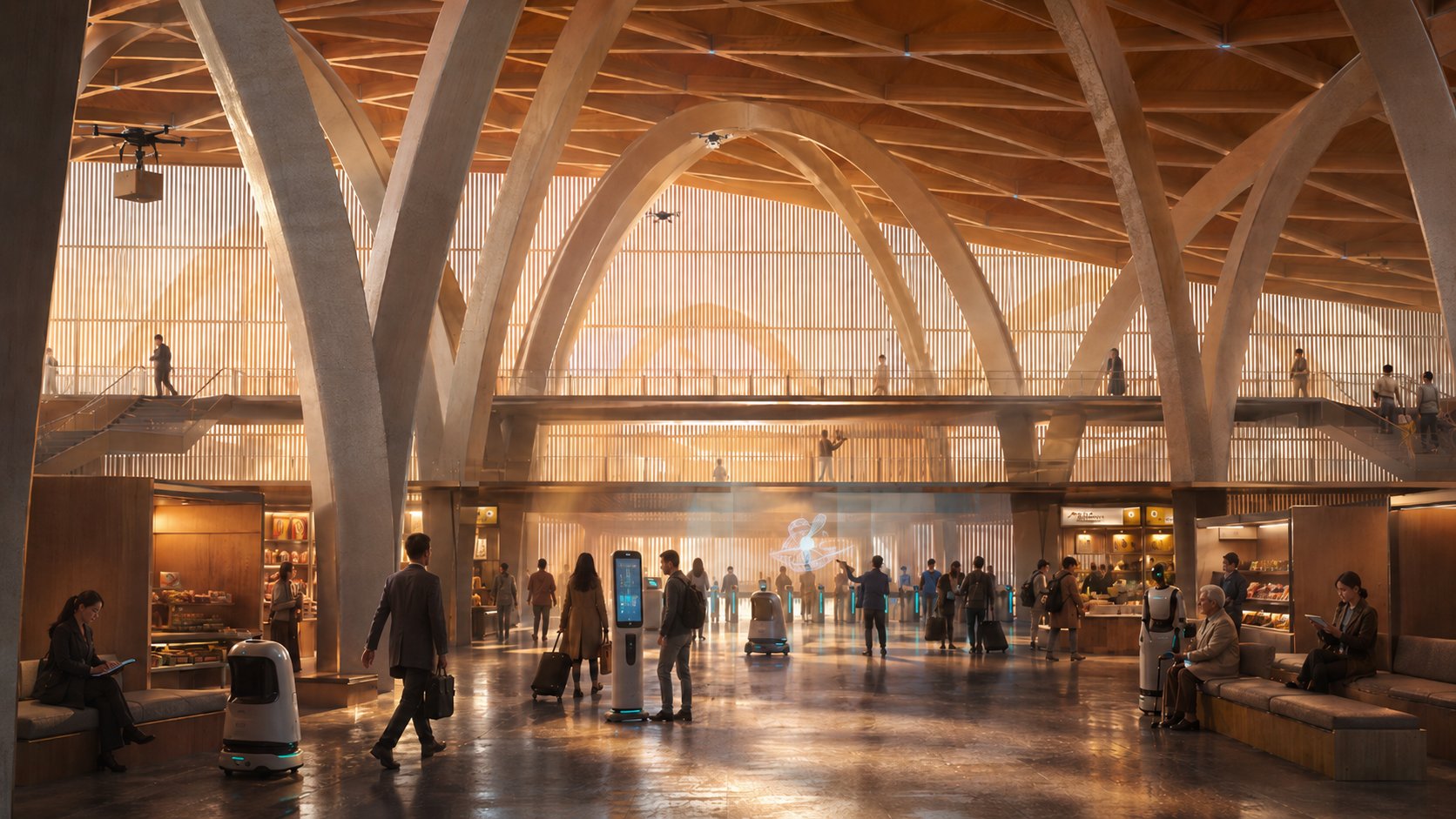
In my thesis, Euston SecondSelf, cloning myself became the research method: my working relationship with Ping-02 was the prototype for a station that learns from the people inside it.
What it did: its case study procedure researches a building, checks facts and images across sources, and writes an illustrated note that ends with what the precedent means for my own work.
What I decided: I chose a case study of Gramazio Kohler's Sequential Roof as the worked example for this page.
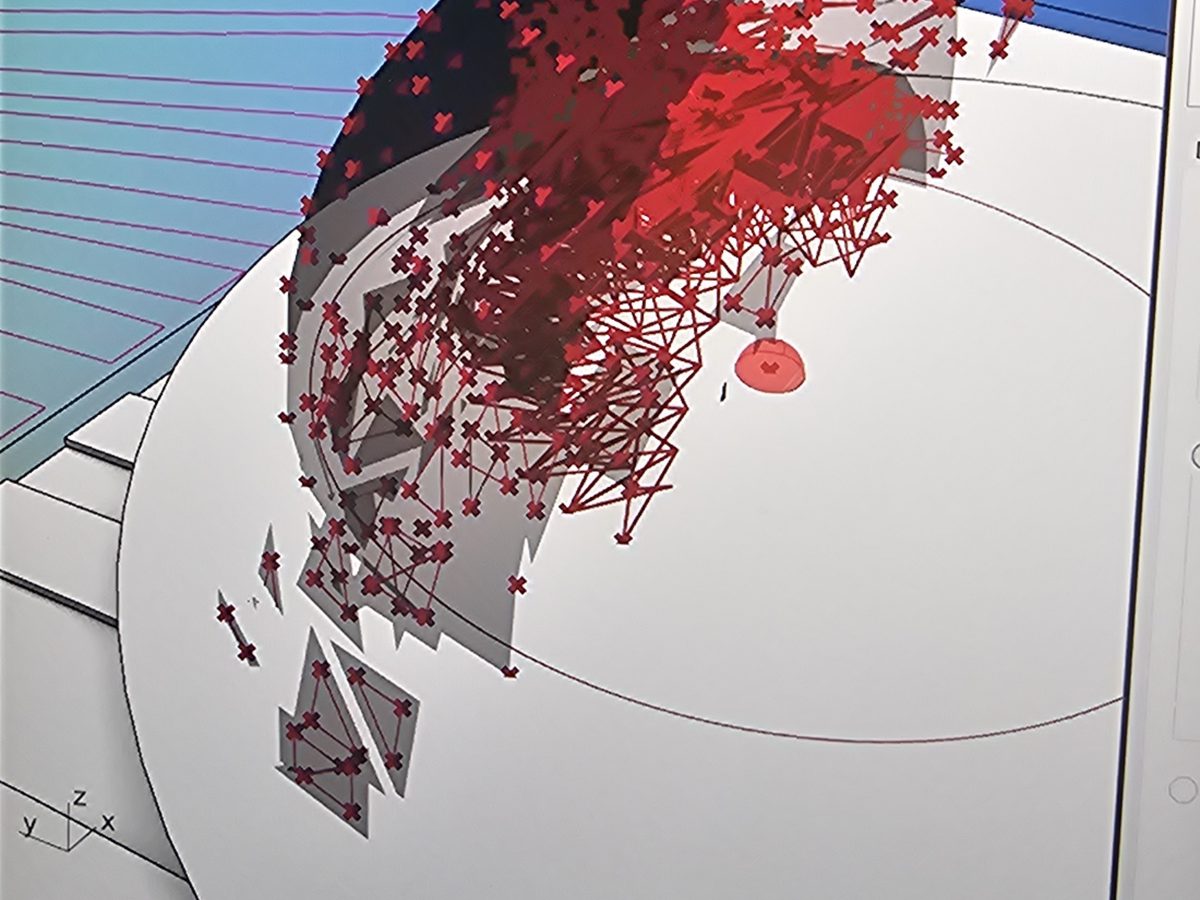
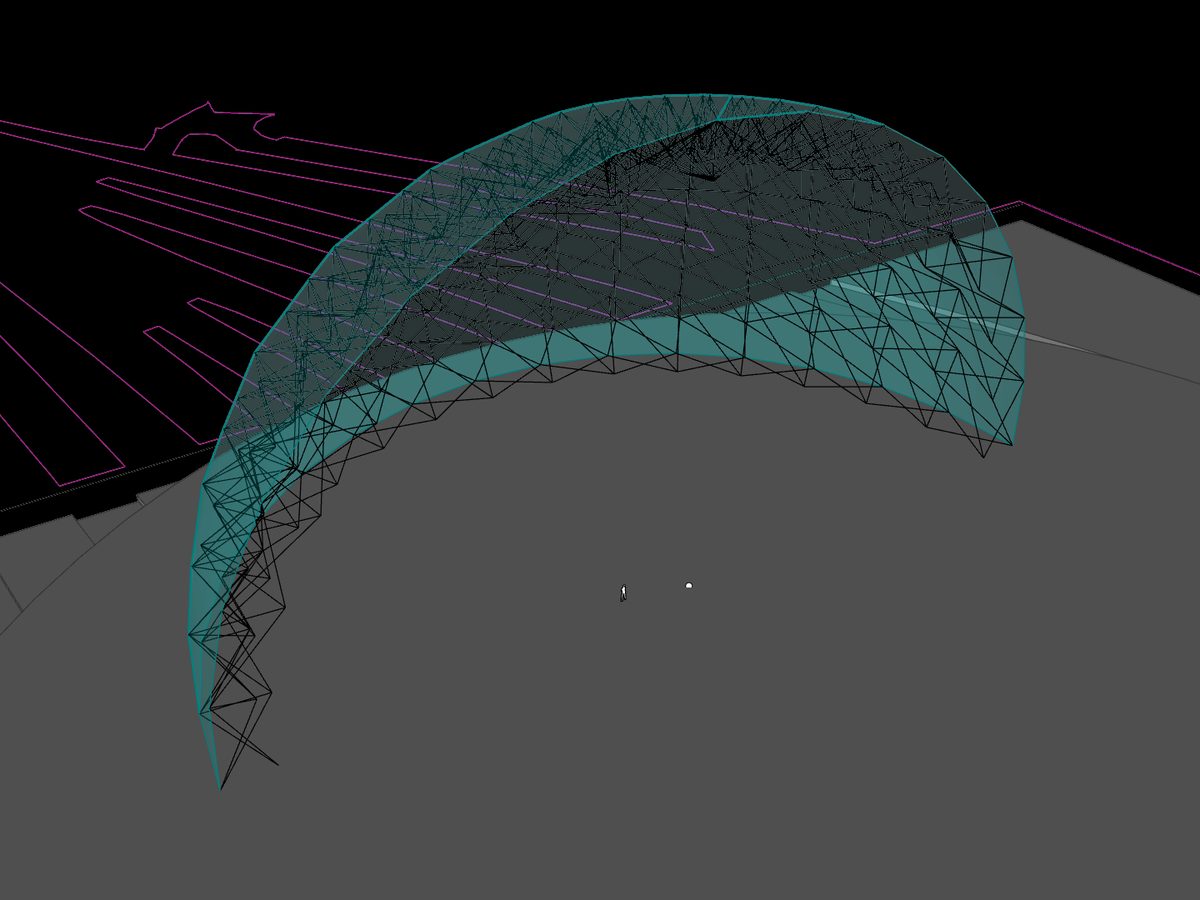
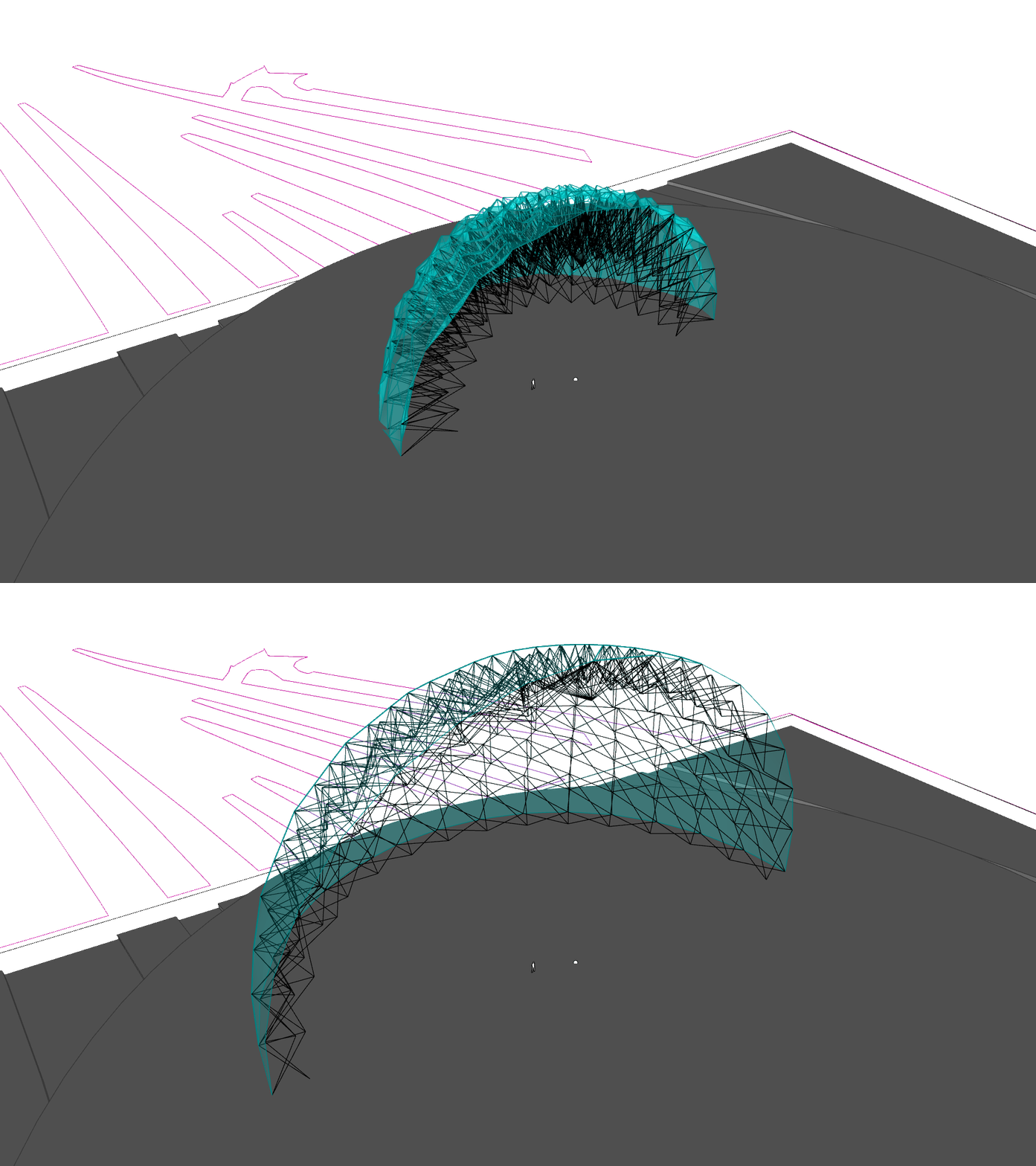
What it did: by my own account, a working Grasshopper and Python script for a kinetic dome in about ten minutes, after a day of my own attempt was still broken.
What I decided: the form and how it moves stayed mine. It did not replace the design judgement; it removed a day of boilerplate.
What it did: in March 2026 it wrote two research notes for the thesis, on fire engineering for a large concourse and on station drawing conventions. One of its skills keeps my thesis image prompts consistent across three image tools.
In the thesis the clone became the station's AI.
Ping-02 carries a person's preferences.
Ping-Zero carries objective operational fact about the building, with no personal data, and runs on hardware inside the station.
Ping-City carries behaviour at the scale of the city, and stays a reserved interface in the 2030 proposal.
They observe, then negotiate, and the outcome changes how the concourse is arranged.
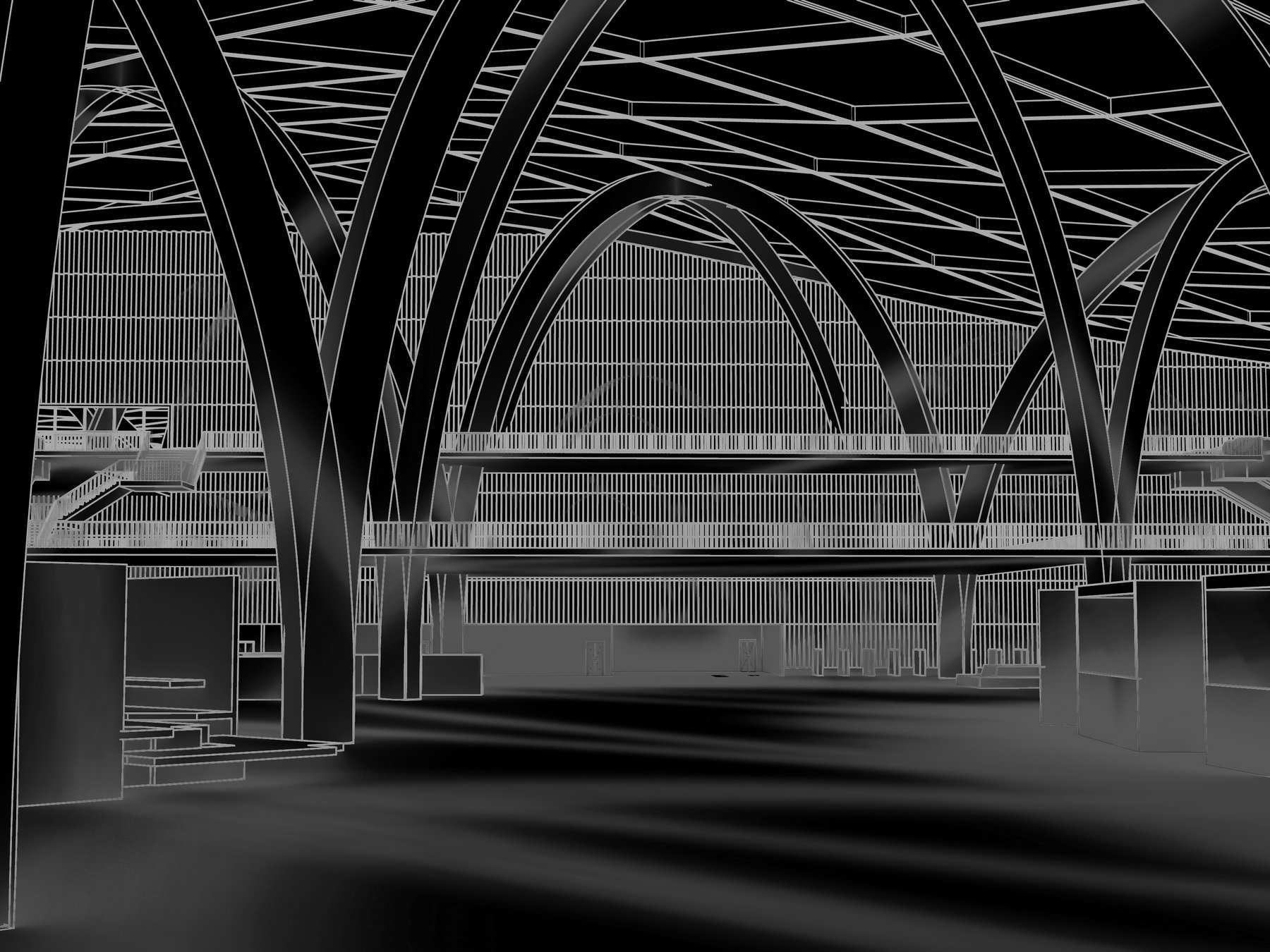
Tap a core to read what each one holds.
In the station, the AI only advises. Its recommendations are non-binding, staff confirm before anything moves, and the control room can always override it.
Ping-02 works the same way at my scale: it goes ahead with work that can be undone, and asks me before anything irreversible or anything that leaves my own files.
The station keeps a public audit log of how each recommendation was reached. Ping-02 keeps a decision journal: each non-obvious choice, the options and the reasoning.
There are two honest mismatches. The thesis argues that the station's AI should compute on site, as a political choice. Ping-02 runs on a cloud model. The station has hardware locks that work without the AI. Ping-02's limits are written rules plus my own confirmation.
| STATION | PING-02 | |
|---|---|---|
| advises only | = | goes ahead with reversible work and asks first |
| control room override | = | my confirmation |
| public audit log | = | decision journal |
| on-site computation | ≠ | cloud model MISMATCH |
| hardware locks | ≠ | written rules MISMATCH |
Some parts stay private: the identity file, my diary, the contents of memory, and the names of people in my notes.
I name the tools, but I do not publish prompts, model versions or the full rule text.
Ping-02 works only for me.