Other · 2020
Li Xue Di Heritage Survey
Measuring an 1887 Hakka courtyard house, room by room, window by window.
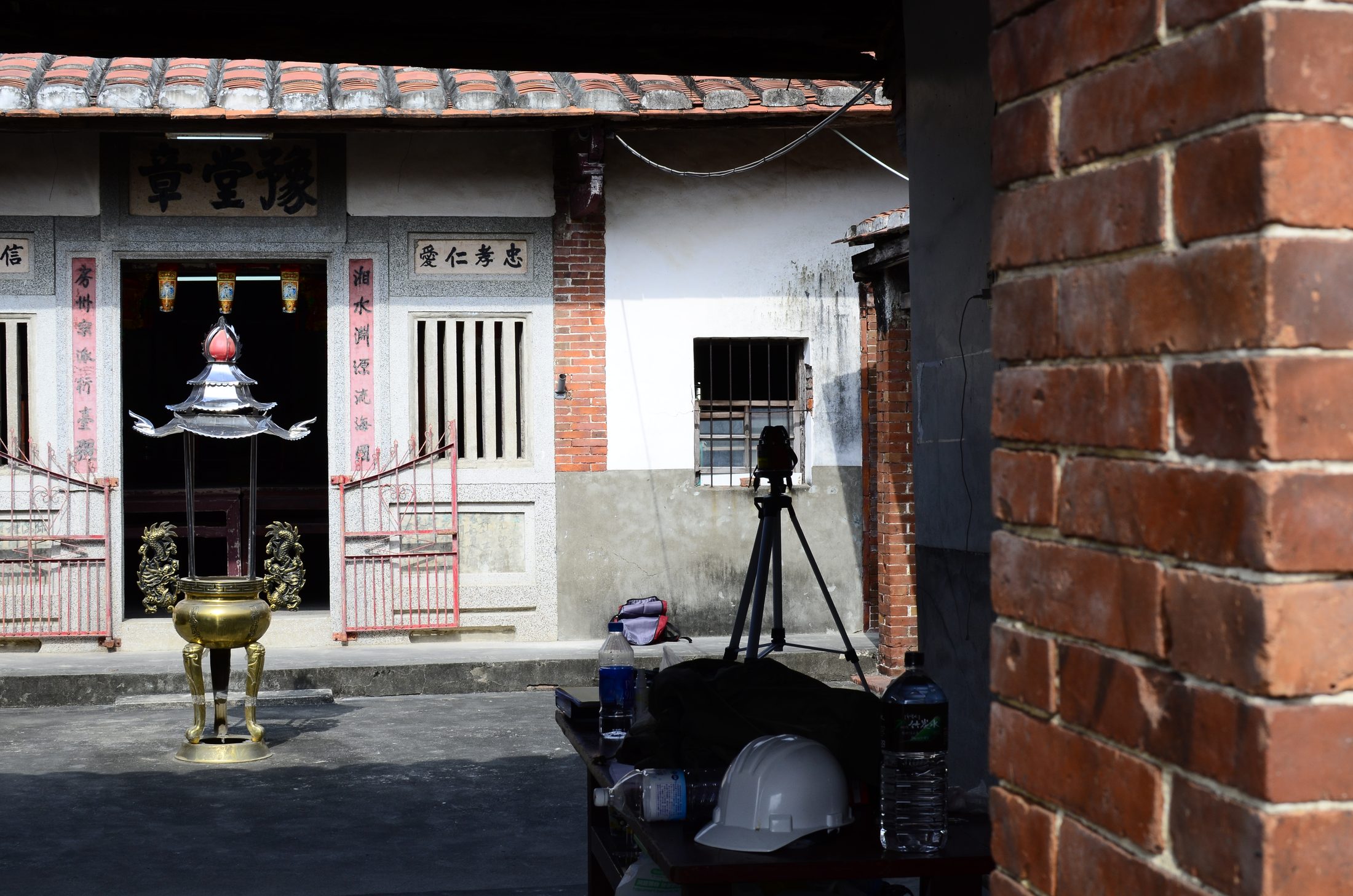
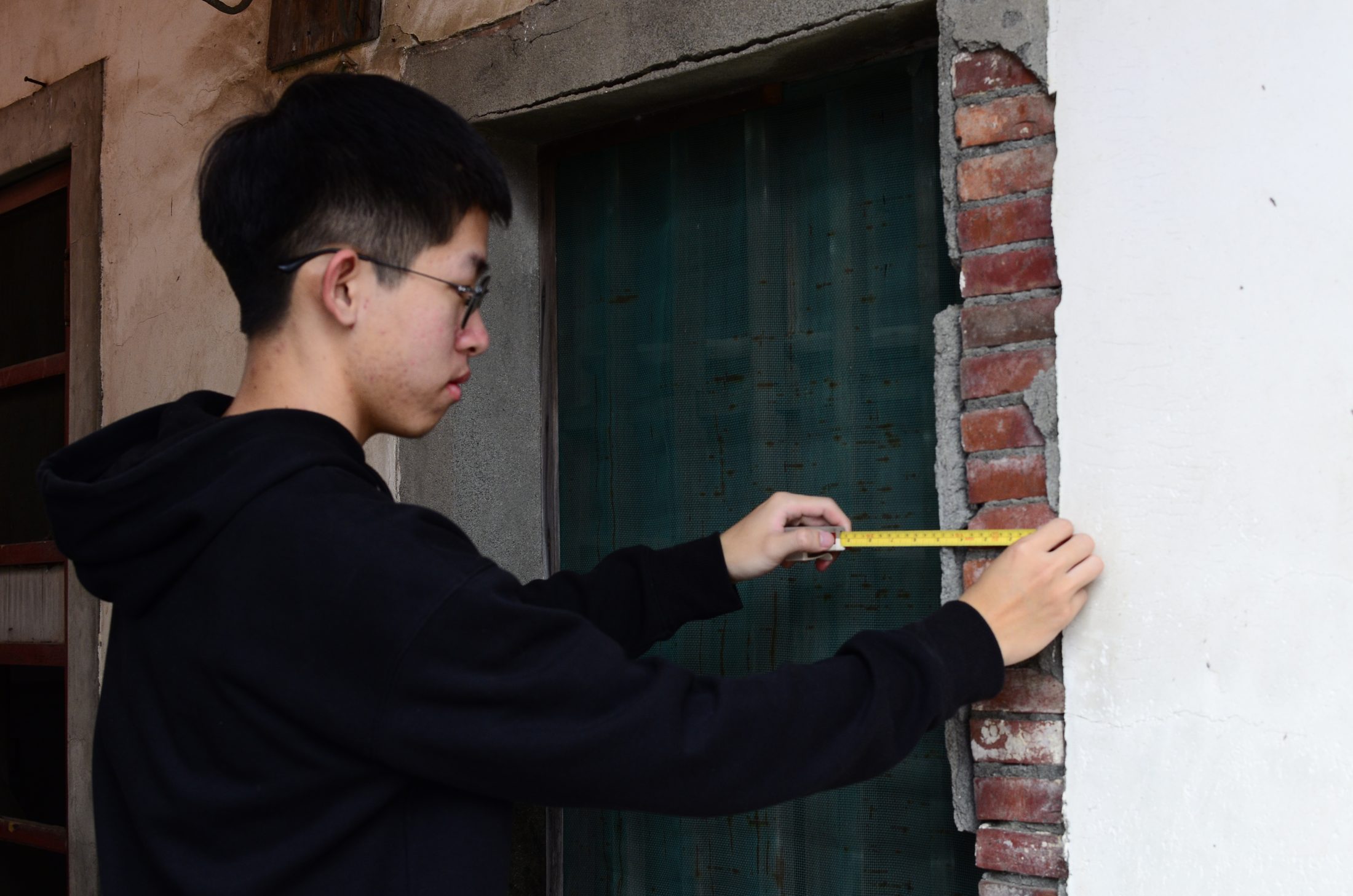
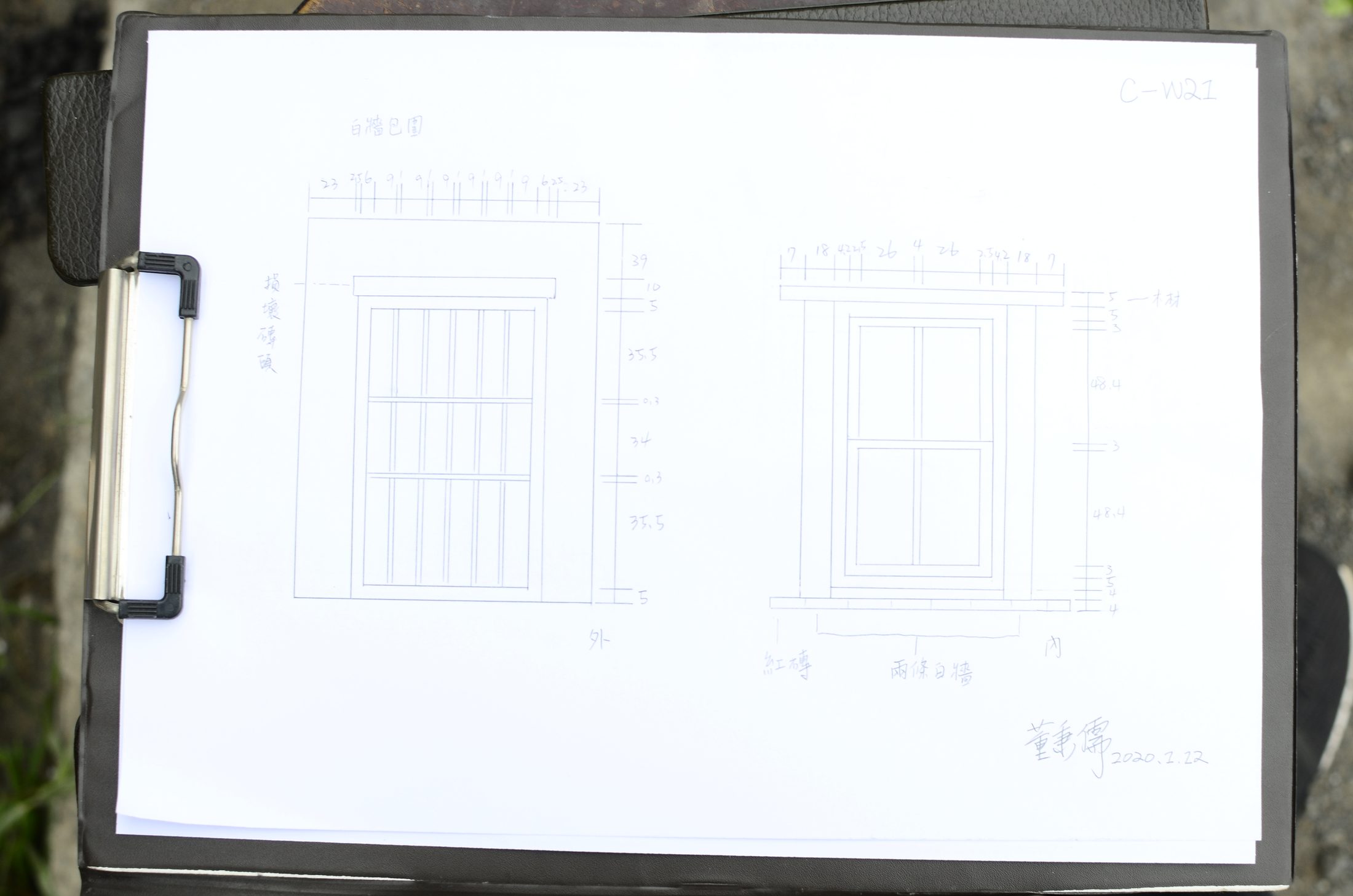
A measured survey and condition assessment of Li Xue Di (House of Confucian Learning), an 1887 county-level heritage site in Jiadong, Pingtung: a Hakka courtyard house of five halls and two transverse wings built by the Luo family. The work paired on-site hand measurement with timber element analysis and damage annotation, producing floor plans, window detail drawings and a deterioration record. The earliest root of a continuing interest in timber and how buildings are actually put together.
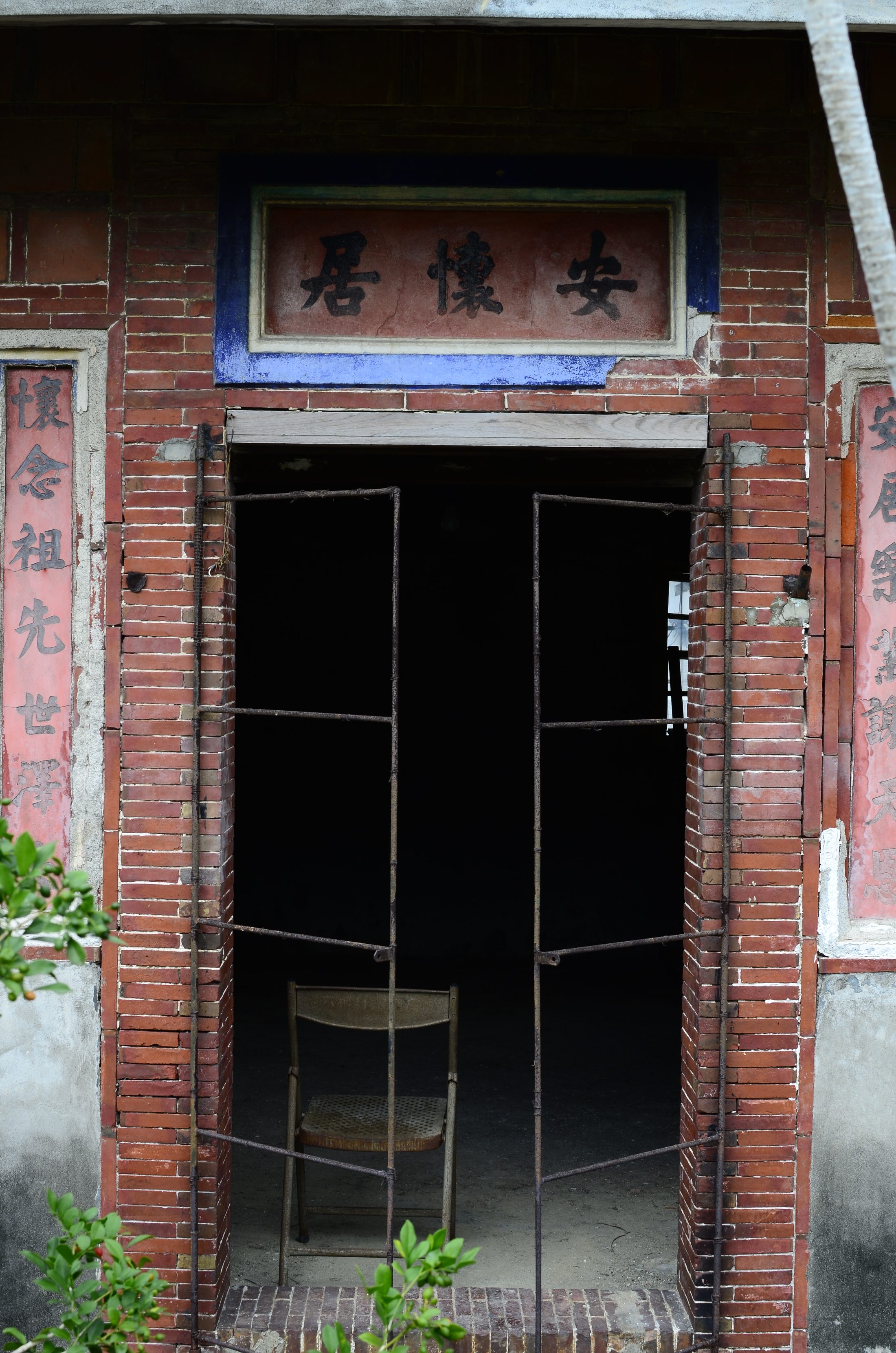
Li Xue Di (理學第, “House of Confucian Learning”) sits in Liu Gen Village, Jiadong, Pingtung, named after Luo Congyan, a Neo-Confucian scholar of the Song dynasty.
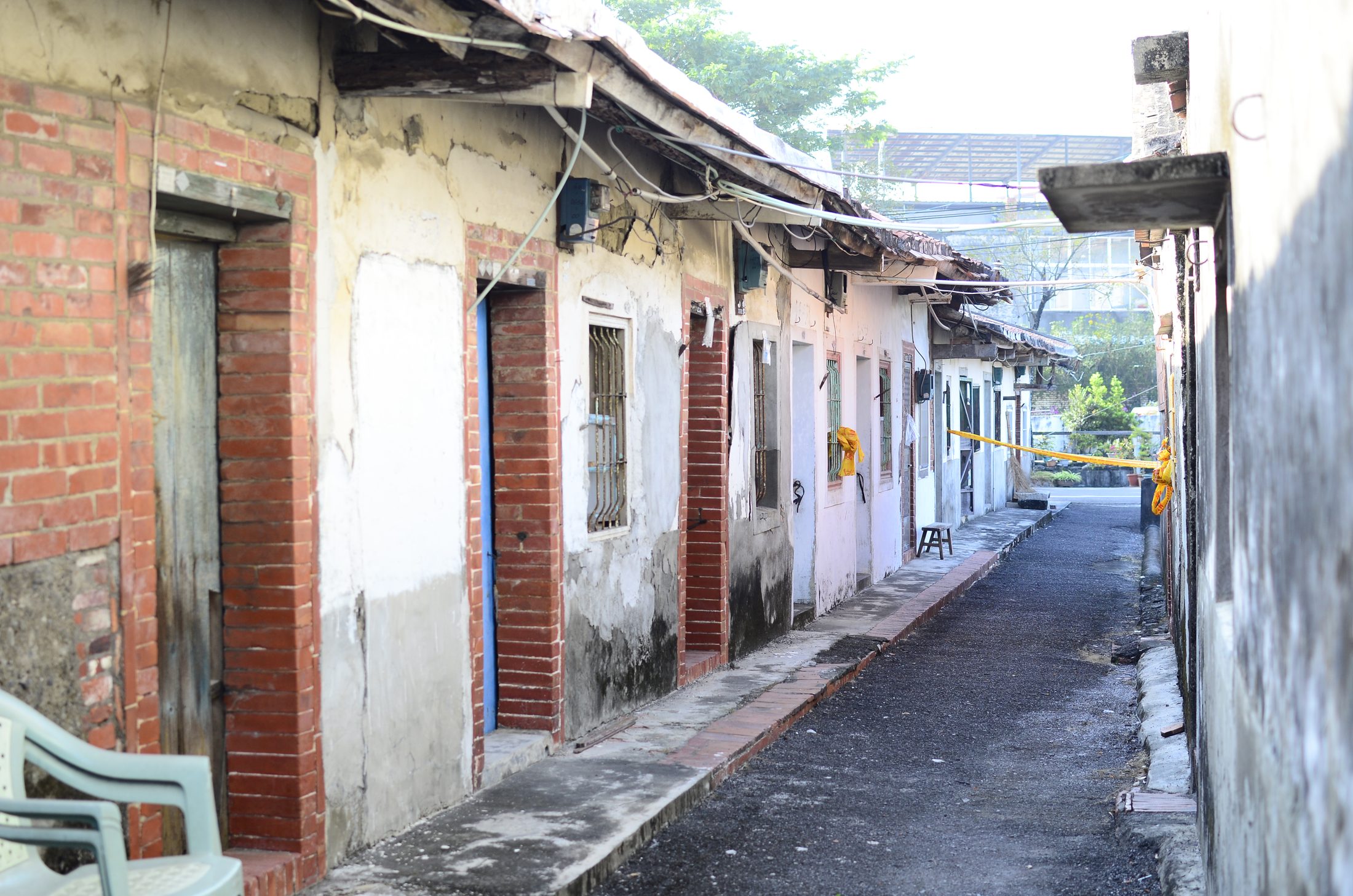
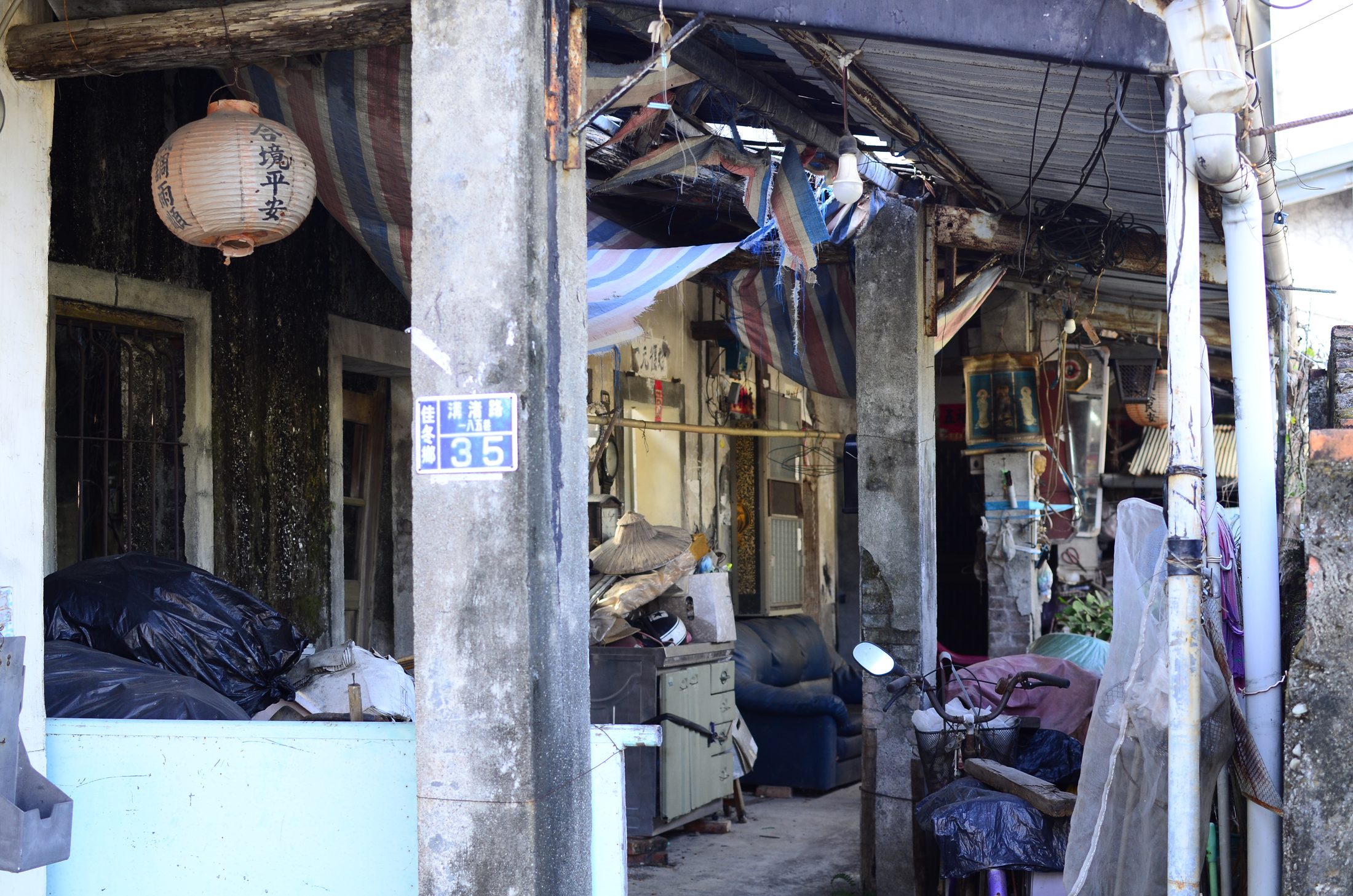
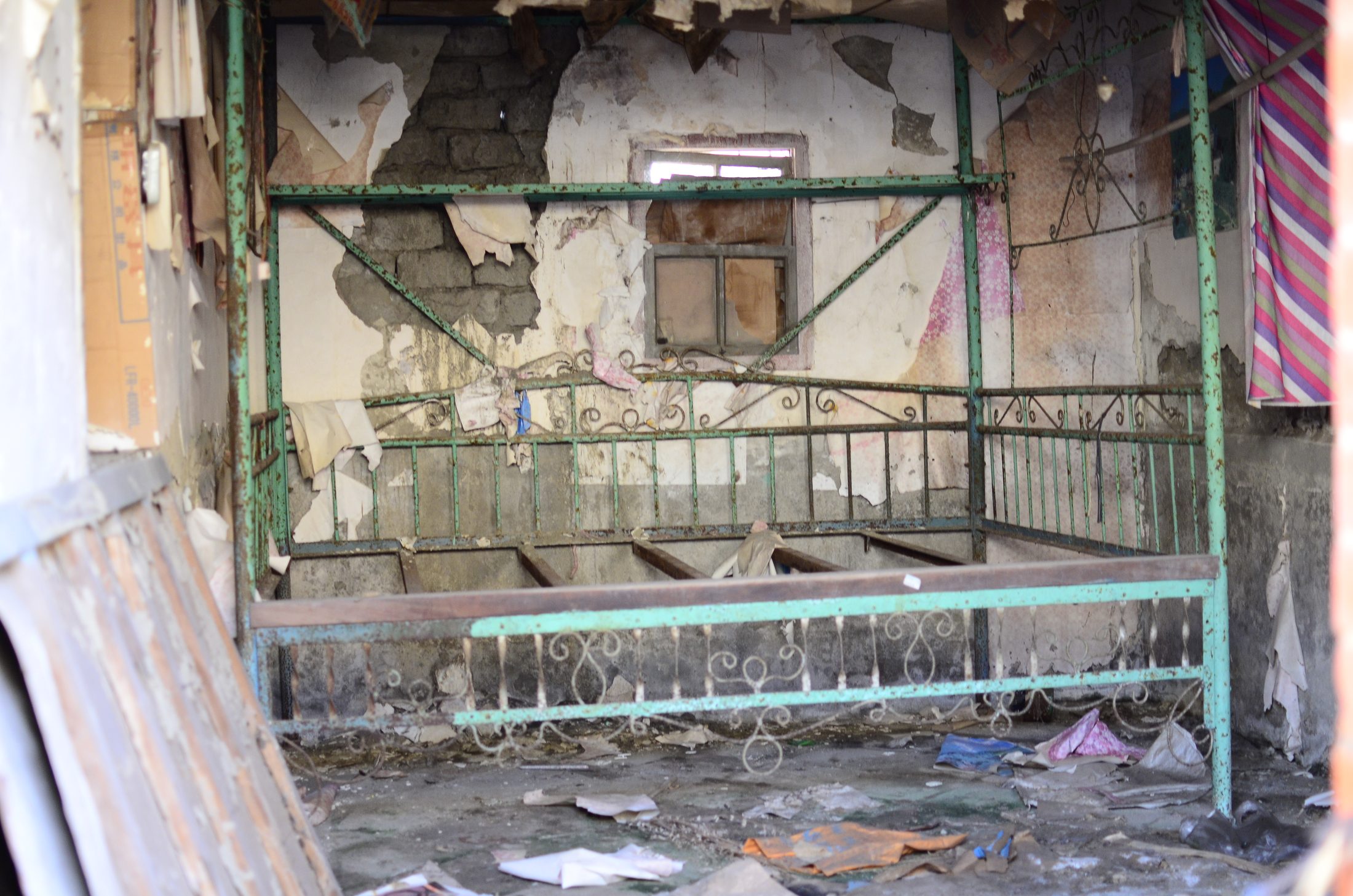
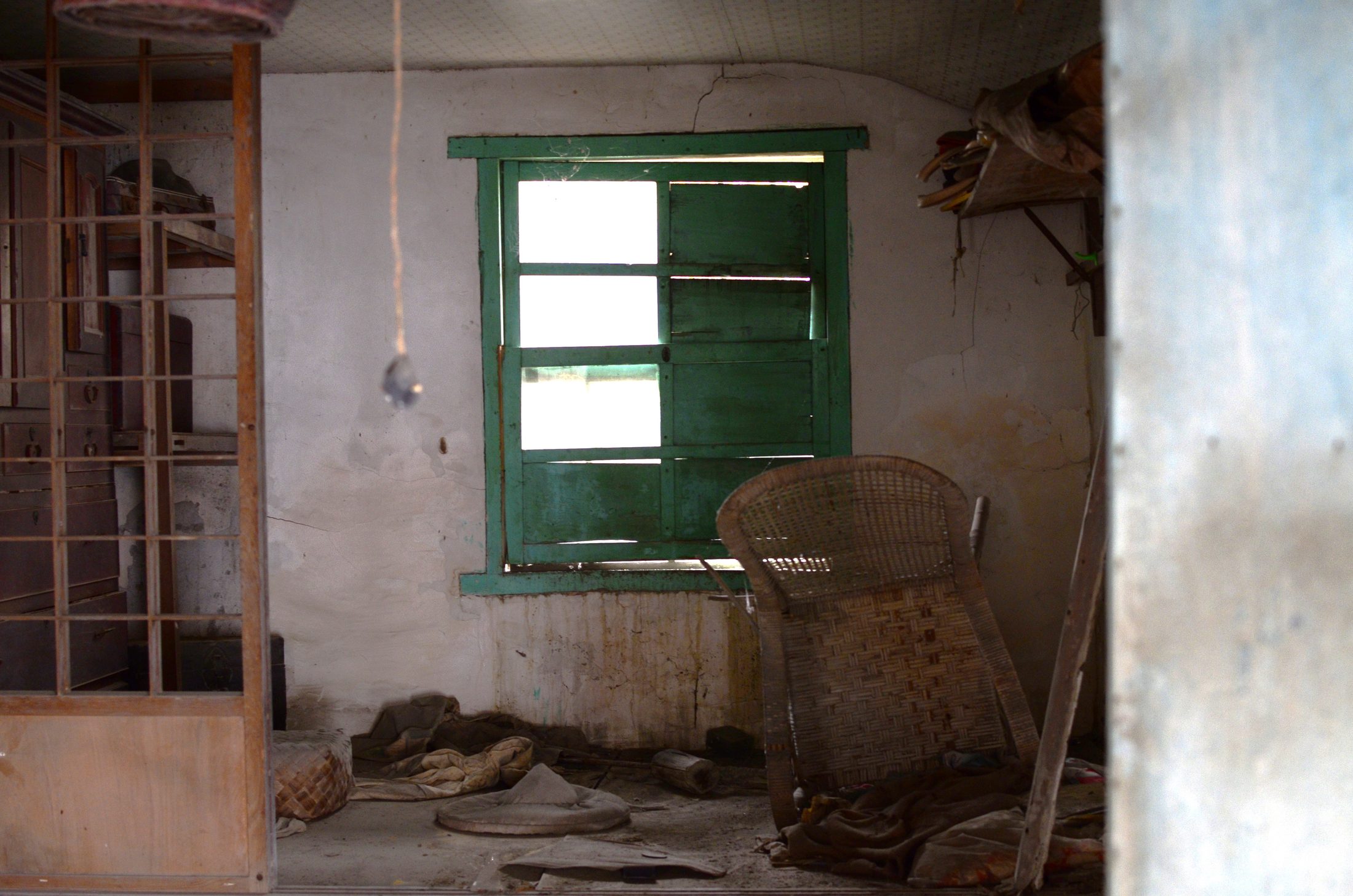
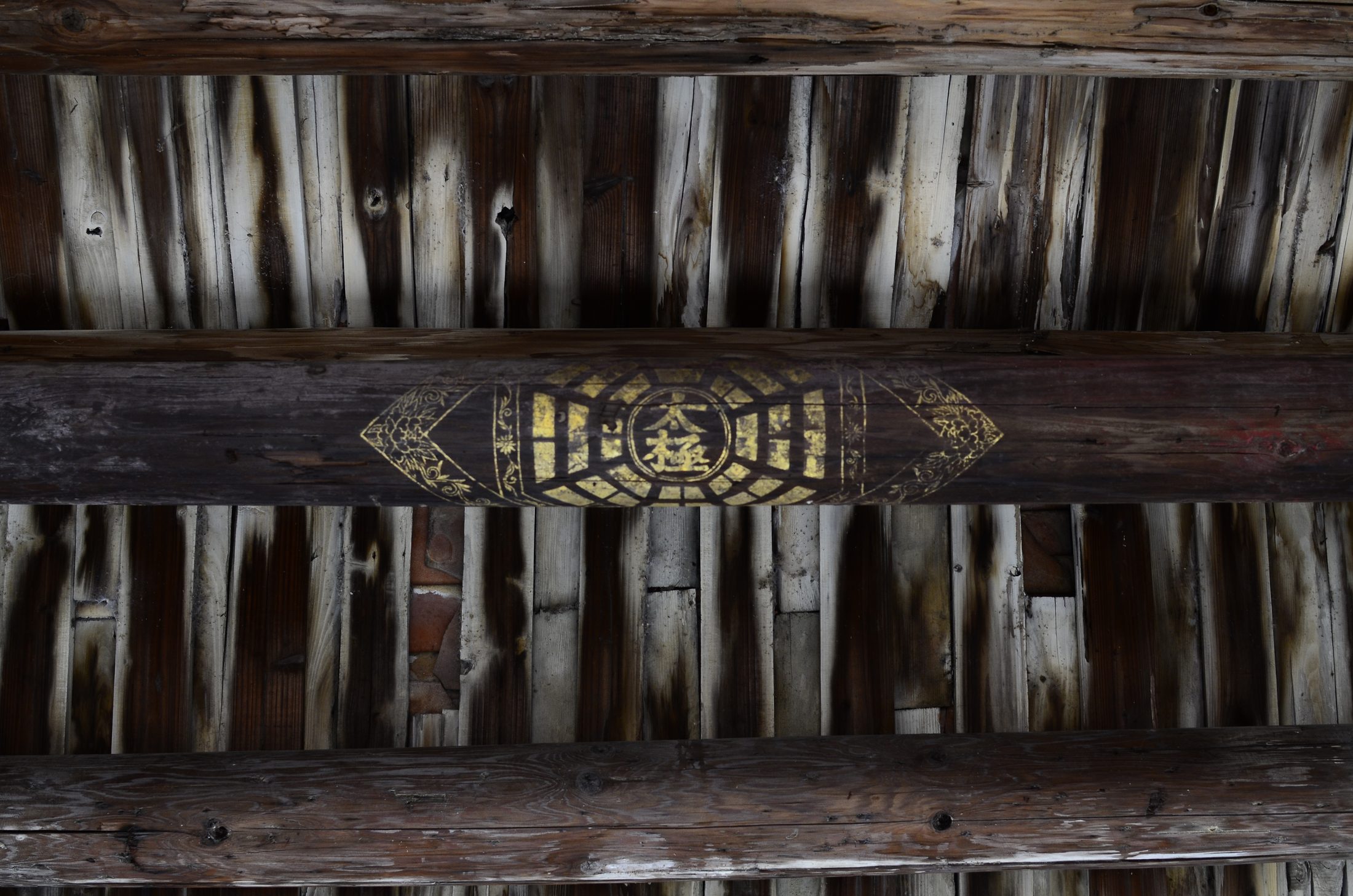
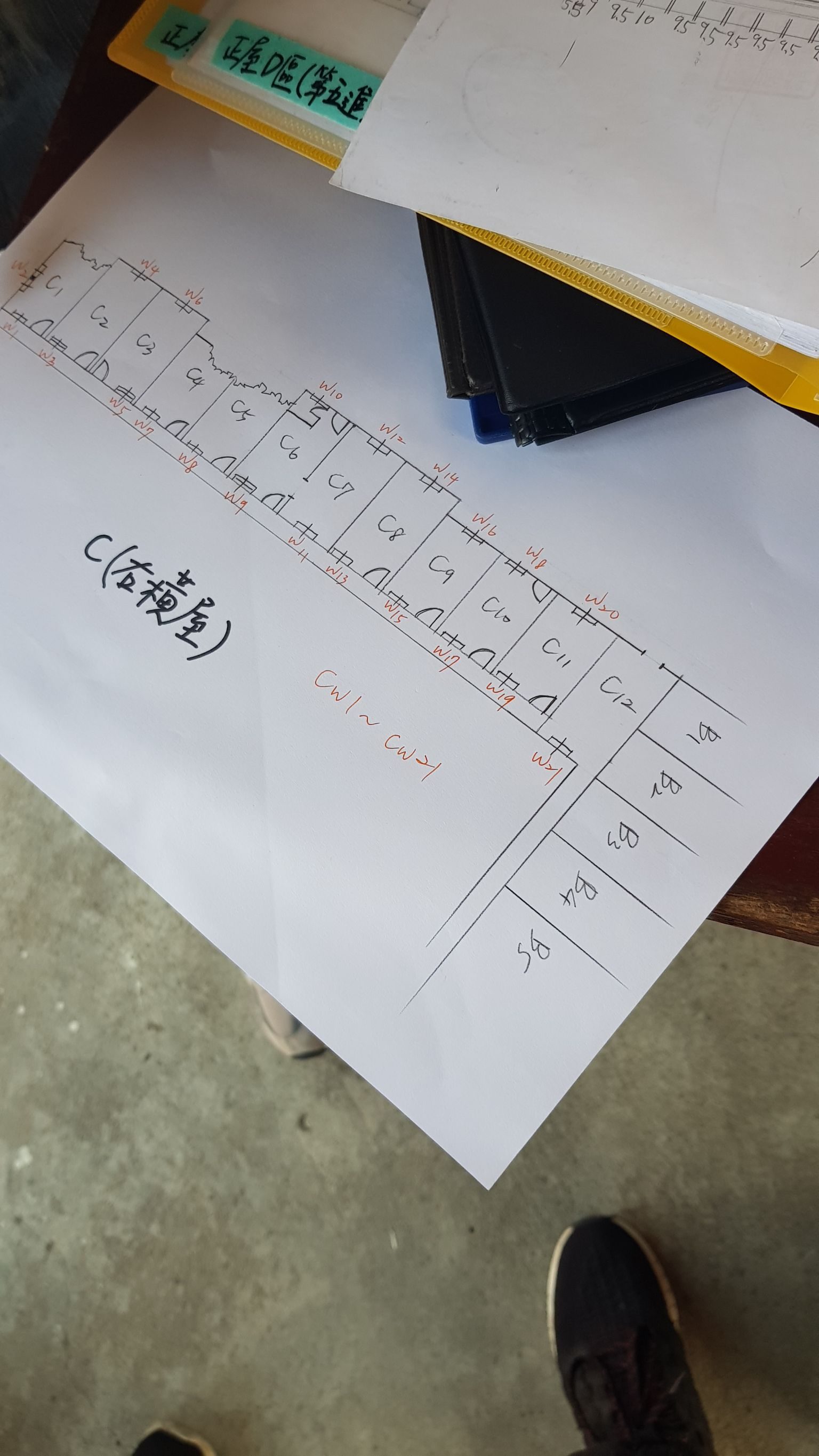
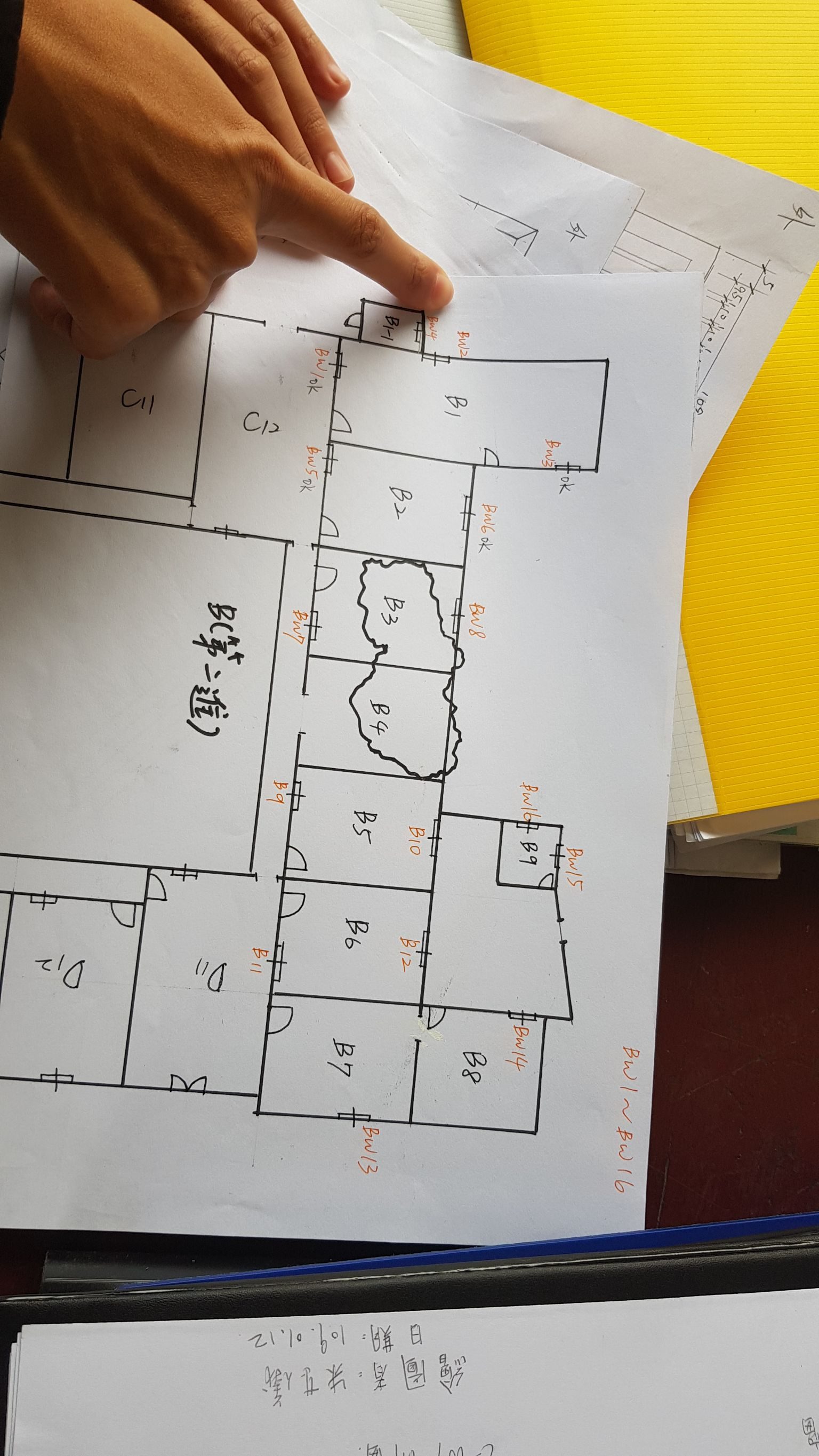
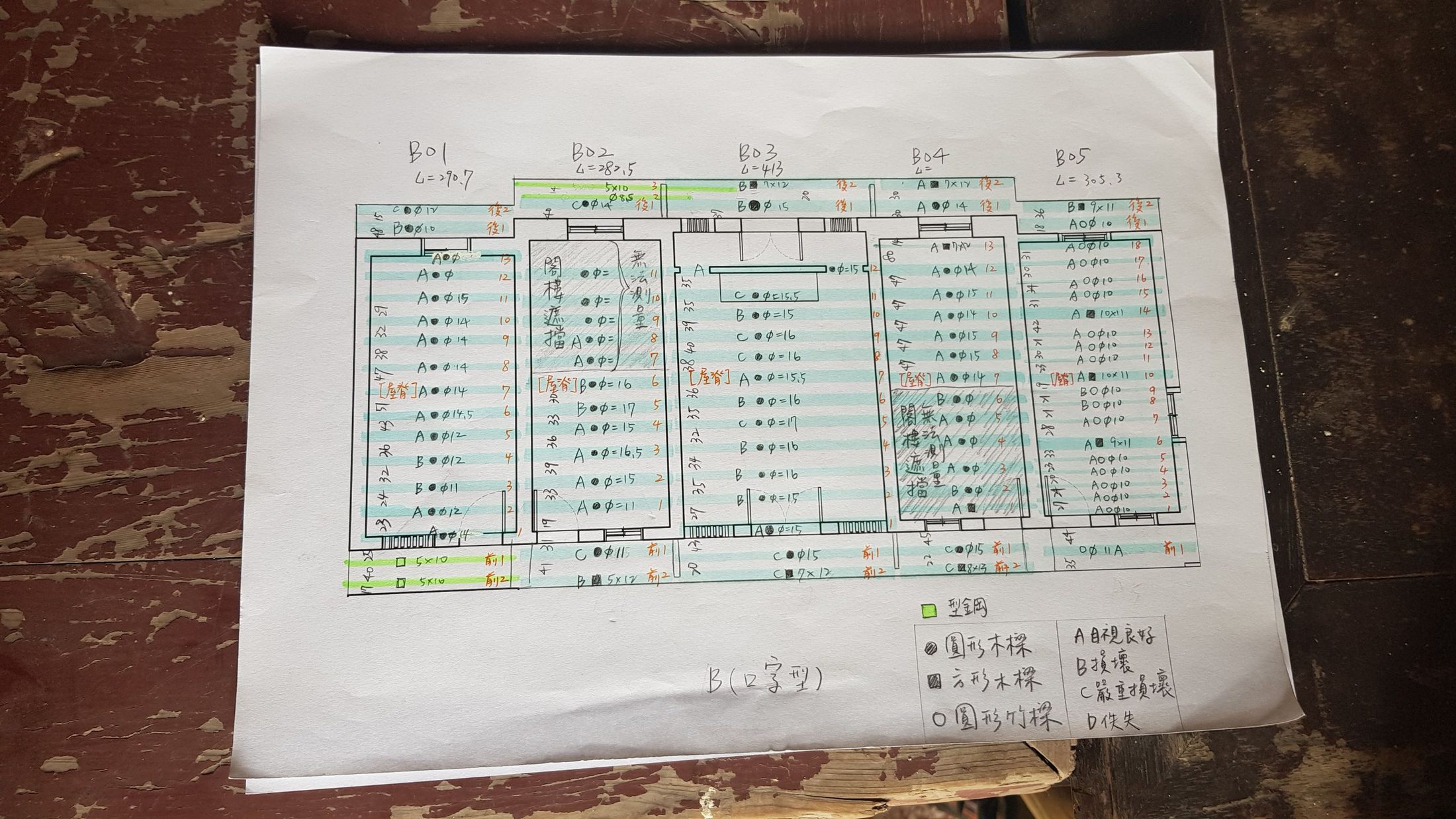
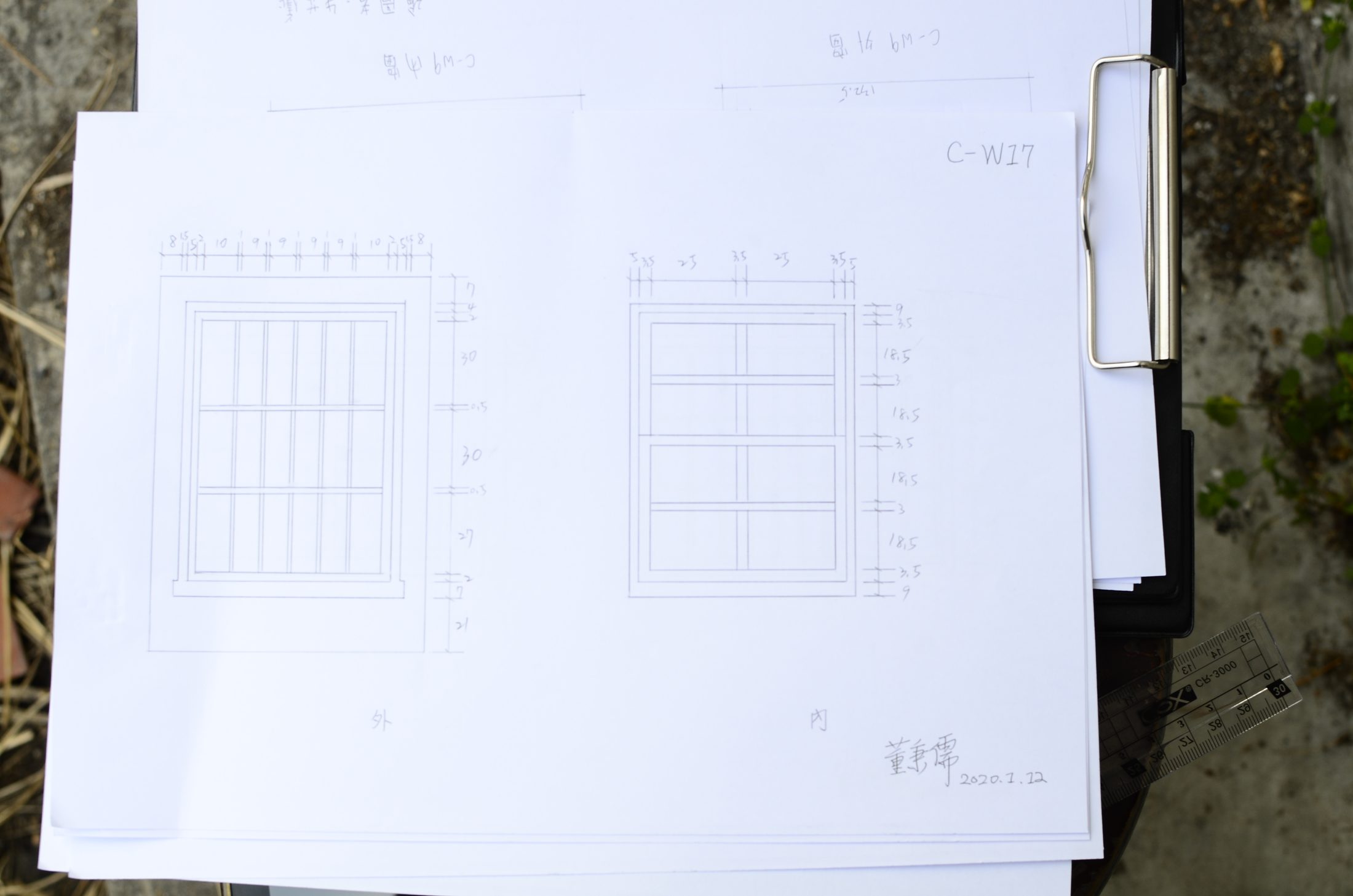
Over a winter survey the building was documented room by room: on-site hand measurement, measured window and elevation drawings, timber element classification and damage annotation. The records hold both the architectural form and its present state of decay, from gilded painted beams still in place to crumbling brickwork.
This is the earliest root of the timber through-line that runs through the later work: an interest in how traditional buildings are actually put together, measured at full scale by hand long before any of it became digital. It first appeared in my undergraduate portfolio.